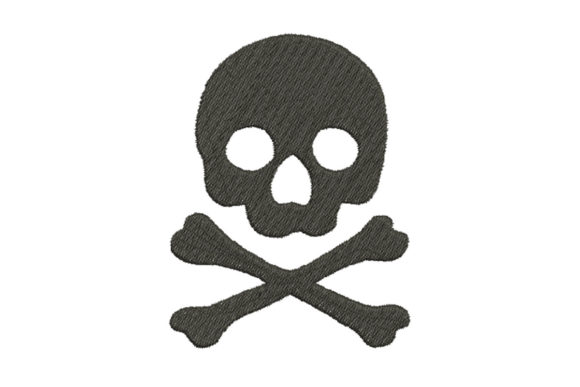
Danger Hazard Sign with Skull Review
As an experienced embroidery designer who has spent years refining digital assets for commercial use, I approach every new design file with a critical eye. When evaluating the Danger Hazard Sign with Skull, my focus shifts immediately from simple decoration to strategic brand application. This isn't just a graphic; it is a statement piece that carries weight in the world of small business merchandising. Whether you are running a boutique, managing a creative studio, or selling handmade goods on Etsy, the decision to incorporate this motif requires careful consideration of how it translates from a screen to fabric.
The First Impression: Bold Warning Meets Street Style
The initial reaction to the Danger Hazard Sign with Skull is one of immediate visual impact. The title suggests a fusion of industrial warning aesthetics and edgy, modern street culture. Unlike traditional floral or corporate logos, this design feels aggressive yet playful. It strikes a balance between professional caution and cool rebellion. For a small business owner looking to differentiate their brand identity, this design offers a unique personality trait: it signals that the brand is bold, unapologetic, and perhaps a little dangerous.
In the context of machine embroidery, the "cool" factor mentioned in the description is crucial. It implies that the design is not merely functional but also stylistic. It appeals to demographics that value authenticity and raw energy. However, before we jump into production, we must ask if this vibe aligns with your specific customer base. Is your target audience drawn to rugged, high-contrast visuals? If so, the Danger Hazard Sign with Skull could be a powerful tool for capturing attention on crowded marketplaces or social media feeds.
Real-World Application for Small Business Merch
The true test of any embroidery file lies in its versatility across different product categories. In my review of this design, I see immense potential for branded patches. An embroidered patch featuring this hazard sign can serve as a standalone badge on denim jackets, leather vests, or backpacks. This is particularly effective for craft businesses, pet brands, or local shops that want to create a uniform look without being overly corporate.
For apparel decorators, the design shines when applied to apron embroidery for bakeries or coffee shops that want to add a touch of grit to their staff uniforms. Imagine a barista wearing a black apron with a white skull and yellow hazard stripes stitched on the chest pocket. It transforms a standard work shirt into a memorable brand asset. Similarly, cap embroidery becomes a dynamic option. A curved surface like a baseball cap can make the hazard sign pop, creating a focal point that draws the eye during face-to-face interactions at events or pop-up markets.
Tote bag designs are another natural fit. Customers love carrying bags that reflect their personal style. A tote bag featuring the Danger Hazard Sign with Skull acts as a walking billboard for your shop. It turns a simple canvas bag into a statement piece that customers are proud to display. Furthermore, this design works well as a sleeve detail on custom apparel, offering a subtle nod to the brand's identity without overwhelming the garment. It is also excellent for product packaging accents, where a small label on a box or tag adds a layer of premium presentation to handmade products.
Navigating Technical Challenges and Limitations
While the aesthetic appeal is strong, an experienced designer must always consider the technical constraints of embroidery. The Danger Hazard Sign with Skull likely contains detailed outlines and potentially high stitch density, which presents challenges when scaling down. If you plan to use this for tiny lettering or very small patch sizes, you may lose definition. Fine details can get lost in the fabric weave, especially on textured materials like heavy cotton or fleece.
Curved surfaces, such as the front of a cap, require precise digitizing to ensure the design lays flat. Without proper testing, the skull or text might pucker or distort, ruining the professional look of the finished product. Dark uniforms present another hurdle; thread color contrast is vital. A light-colored hazard sign on a dark background will stand out, but you must ensure the underlay stitches are sufficient to prevent the fabric from showing through the design.
Frequent washing is a critical factor for items like aprons and work shirts. High-density areas can trap lint and wear down faster than lighter designs. If the design includes intricate details, they may degrade over time after multiple wash cycles. Therefore, I advise against using this design for items that will undergo harsh industrial laundering unless the file format specifically accounts for durability. Always inspect the spacing and confirm the hoop size before committing to a large run. A design that fits perfectly in a 4x4 hoop might need significant resizing for a larger jacket back, altering its visual balance.
Strategic Brand Identity and Customer Trust
Using the Danger Hazard Sign with Skull affects more than just the visual appearance of your merchandise; it influences customer trust and perception. A bold design like this signals confidence. It tells your audience that you are comfortable taking risks and standing out. However, it can also alienate conservative clients who prefer a softer, more elegant aesthetic. Visual consistency is key; if your other design assets are delicate and floral, this edgy hazard sign might clash, creating a disjointed brand image.
On the flip side, for brands targeting a younger, edgier demographic, this design enhances buyer engagement. It creates a sense of exclusivity and community among those who resonate with the "danger" theme. When used correctly on custom apparel or handmade products, it elevates the perceived value of the item. It moves the product from a generic commodity to a curated piece of art. Yet, professionalism remains paramount. Even with a playful or edgy theme, the execution must be flawless. Puckered threads or misaligned elements can quickly erode customer trust, regardless of how cool the design concept is.
Essential Designer Notes for Production
Before you start stitching, there are several practical steps every small business owner and decorator should take. First, test the Danger Hazard Sign with Skull in black and white. This helps you evaluate the composition and spacing without the distraction of thread colors. Check if the design holds up when scaled down to a small patch size; often, what looks good on a screen fails miserably at one inch wide.
Review the thread color contrast carefully. Does the hazard sign pop against your intended fabric texture? Inspect the spacing to ensure no elements are too close together, which can cause thread breaks. Confirm the hoop size required for the full design and verify that your equipment can handle the necessary dimensions. Always test on real fabric rather than paper; the way the needle penetrates denim differs vastly from lightweight linen.
Use a proper stabilizer to support the fabric, especially if the design has high stitch density. Creating a printable mockup for client approval is a smart move before running a commercial project. This allows you to visualize the final product and catch potential issues early. Compare this design beside your other design assets to ensure it fits your overall brand identity. Finally, confirm the commercial licensing terms of the digital embroidery file. Ensure you have the legal right to use the Danger Hazard Sign with Skull for mass-produced merchandise and branded patches.
In conclusion, the Danger Hazard Sign with Skull is a versatile and impactful addition to any embroidery collection. When deployed with technical precision and strategic brand alignment, it can transform simple items like caps, totes, and aprons into powerful marketing tools. By understanding its strengths and limitations, small business owners can leverage this design to create memorable, high-value products that truly represent their unique vision.