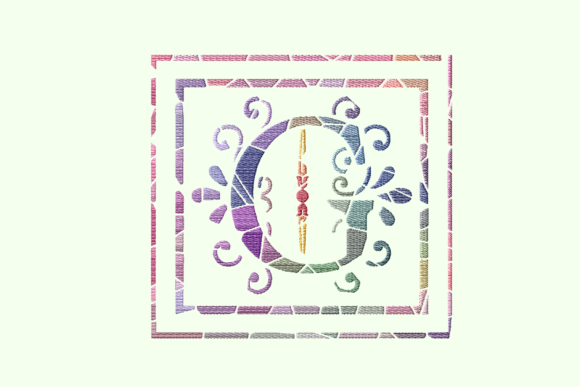
G Monogram Mozaic: A Designer's Real-World Review
When I first opened the folder for G Monogram Mozaic, I didn't just see a letter; I saw a potential centerpiece for a high-end boutique collection. As someone who has spent years refining my craft and testing thousands of digital embroidery files, my initial reaction was one of cautious optimism. The name suggests complexity, and in the world of machine embroidery, complexity is often where designs either shine brilliantly or fail miserably due to thread breaks and puckering. This isn't just another basic monogram; it is a design idea meant to increase creativity and make the most amazing embroidery designs for weddings, and not only. But does it hold up when the needle hits the fabric? Let's dive into how this piece performs in a real production environment.
The First Impression: Mood and Visual Personality
The layout of G Monogram Mozaic immediately sets a tone of sophisticated whimsy. Unlike standard block letters that scream "corporate," this design feels like it belongs in a curated craft fair booth or a luxury bridal registry. The mosaic pattern implies a breaking down of the letter into smaller, intricate segments, which creates a rich texture that catches light differently than a solid satin stitch would. It feels personal, handmade, and slightly artistic. For an Etsy seller or a small shop product owner, this visual personality is gold. It elevates the perceived value of a finished product instantly.
However, the "mosaic" aspect requires careful consideration. When you look at the preview, the detail level is high. It promises a lot of movement within a single letterform. This is perfect for projects where you want the viewer to lean in closer, but it can be risky if the target audience prefers clean, minimalist aesthetics. I found myself imagining this design on a cream-colored linen tote bag design versus a stark white wedding invitation envelope. The mood shifts depending on the canvas, which is exactly what makes it versatile.
Real-Life Application: From Digital File to Finished Product
To truly judge G Monogram Mozaic, I put it through a hypothetical stress test scenario involving a custom embroidered sweatshirt for a holiday gift line. Imagine you are preparing a batch of 50 limited-edition sweatshirts for your craft business. You need something that looks professional, holds up to washing, and stands out against the heavy cotton fleece. This embroidery file seems ideal for that application. The fill stitch density appears substantial enough to cover the fabric texture without showing too much of the underlying material, provided you use the right stabilizer.
But let's take it further. Consider a personalized gift for a baby shower. You might place this design on a soft muslin blanket or a nursery pillow cover. Here, the delicate nature of the mosaic segments could create a lovely, tactile experience for a parent. However, if you were planning to use this as an embroidered patch for a denim jacket, the fine details might get lost under the rough texture of the denim unless you use a very specific backing technique. The versatility is there, but it demands respect for the medium.
I also envision this design being used for commercial embroidery projects, such as branding aprons for a local bakery or kitchen towels for a wedding favor set. In these contexts, the "Wedding Monogram" category fits perfectly. The design adds a touch of elegance that customers are willing to pay a premium for. It transforms a simple utility item into a keepsake. For a digital product seller creating printable mockups, this file offers a great opportunity to showcase high-quality visuals that attract buyers looking for unique design assets.
Where Caution is Required: Fabric and Hoop Limitations
While G Monogram Mozaic is impressive, no design is universally perfect. There are specific scenarios where you should proceed with extreme caution. If you are working with stretchy fabric like jersey knit for t-shirts, the density of the mosaic pattern could cause significant distortion. The tension required to pull the threads tight might warp the fabric, ruining the geometric integrity of the mosaic effect. Similarly, thin fabrics like silk or sheer organza might not support the weight of the stitches needed for this design, leading to holes or tearing.
Small hoop sizes present another challenge. If you attempt to digitize or embroider this on a 4x4 inch hoop, the tiny corners of the mosaic segments might become indistinguishable blobs of thread. The eye needs room to appreciate the individual pieces of the puzzle. Furthermore, dark fabrics can be tricky. Unless you use a high-density underlay and a contrasting thread color, the lighter segments of the mosaic might disappear into the background. You must check thread colors carefully before committing to a full run.
Curved surfaces like caps or hats are also problematic for this specific style. The flat, graphic nature of a mosaic design relies on a stable plane to maintain its shape. On a curved cap brim, the distortion will likely make the letter look uneven or misaligned. Additionally, products that need frequent washing, like work aprons or daily-use tote bags, require durable stitching. While this design looks beautiful, the numerous small transitions between stitch types could be prone to snagging over time if not stabilized correctly.
Impact on Brand Value and Customer Trust
In the competitive world of handmade products, the quality of your embroidery speaks volumes about your brand consistency. Using a well-executed design like G Monogram Mozaic signals professionalism. It tells the customer that you care about the details. When a buyer receives a personalized gift with a crisp, clear, and beautifully stitched monogram, their trust in your craftsmanship increases. They are more likely to leave a positive review, recommend you to friends, and return for future purchases.
Conversely, a poorly executed version of this design could damage your reputation. If the stitch density is too low, the fabric shows through. If it is too high, the fabric becomes stiff and uncomfortable. The key to maintaining customer engagement and recognition is ensuring that every finished product looks identical to the digital preview. This design is capable of delivering that high-end look, but it requires precision.
Practical Notes for the Embroidery Designer
Before you add G Monogram Mozaic to your next project queue, here are some essential steps to ensure success. First, always test the design on scrap fabric that matches your final material. Do not assume that because it worked on cotton, it will work on polyester blends. Check the stitch density closely; if the design looks too crowded in the software, it might jam the machine or break needles during production.
Confirm your hoop size requirements early. Ensure you have the correct stabilizer type—cut-away for stability on knits, tear-away for wovens. Inspect the small details in your digitizing software; zoom in to see if any lines are too close together to stitch cleanly. It is also wise to test the design in black and white mockups to verify contrast and readability before investing in expensive threads.
Finally, verify the licensing terms. If you plan to sell finished items featuring this design, confirm whether the purchase allows for commercial use. Some digital embroidery files are for personal use only. Understanding these legalities protects your small business from future complications. By taking these practical steps, you ensure that G Monogram Mozaic serves as a powerful tool in your creative arsenal rather than a source of frustration.
Ultimately, G Monogram Mozaic is a strong candidate for anyone looking to elevate their embroidery project. Whether you are creating a wedding gift, a boutique apparel line, or a unique holiday decoration, this design offers the creativity and visual depth that modern consumers crave. With the right preparation and attention to technical details, it can transform a simple letter 'G' into a stunning focal point for your next masterpiece.