Monogram Letter I: A Designer's Review for Gift Creators
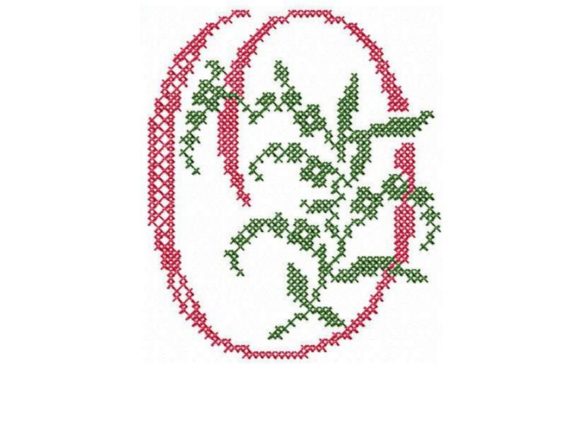
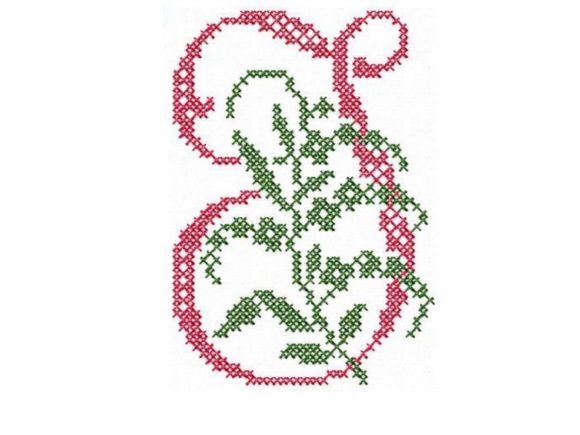
As an experienced embroidery designer who spends hours testing digital files before they hit the market, I recently had the chance to put Monogram Letter I through its paces. My goal was simple: determine if this design is ready to be the star of a new line of personalized gifts. The product description highlights that it is created in a cross-stitch technique and is described as fun and easy to stitch onto any fabric. It specifically mentions suitability for towels, pillows, or cottagecore style gifts within the Boho category. After running several test runs, I can share my honest thoughts on how this machine embroidery design performs in a real-world small business setting.
The First Impression: Charm and Emotional Appeal
When you first open the file for Monogram Letter I, the immediate feeling is one of warmth and nostalgia. The cross-stitch technique gives it a distinct handmade quality that modern block letters often lack. It feels sweet, playful, and undeniably romantic. For creators looking to build an emotional connection with their customers, this design hits the mark perfectly. It doesn't just look like a letter; it looks like a memory being stitched into existence.
This specific aesthetic aligns beautifully with the current demand for cottagecore and Boho styles. It isn't overly formal or stiff; instead, it invites the viewer to imagine a cozy nursery or a sunlit kitchen. The charm lies in its simplicity. It is not cluttered with excessive fill stitches but relies on the texture of the cross-stitch pattern to create visual interest. This makes it an excellent choice for embroidery projects where the focus should remain on the sentiment rather than the complexity of the stitching.
Real-World Application: From Baby Blankets to Wedding Keepsakes
I tested this design across a variety of potential products to see how it translates from a digital file to a finished product. The versatility is impressive. Imagine a customer ordering a baby blanket for a child named Isabella or Isaac. The Monogram Letter I adds a personal touch that elevates a standard gift into a cherished keepsake. The cross-stitch texture mimics the look of hand-sewn heirlooms, which increases the perceived value of the item significantly.
Beyond baby items, this design shines on kitchen towels and pillow covers. For an Etsy seller or a craft fair vendor, offering a custom embroidered towel with this monogram creates a strong selling point. It appeals to those who appreciate handmade goods and want to support small shop products. I also envision this design on aprons for home bakers or tote bags for weekend markets. The cross-stitch style holds up well against the casual wear and tear of daily use, provided the correct stabilizer is used.
For wedding gift designers, this letter offers a subtle elegance. A set of napkins or a throw pillow featuring Monogram Letter I can serve as a beautiful initial gift for a couple whose names begin with 'I' or for a guest book cover. The design bridges the gap between traditional craftsmanship and modern gifting trends, making it a versatile asset for any digital product seller.
Where Caution is Key: Fabric and Stitching Challenges
While the design is charming, no professional creator can ignore the technical limitations. Because this is a cross-stitch pattern, it relies heavily on thread contrast and fabric texture to stand out. There are specific scenarios where Monogram Letter I might struggle.
- Small Lettering: If you attempt to scale this down too much for very small items, the individual cross stitches may merge, losing the intended texture.
- Textured Fabric: Thick terry cloth on towels can sometimes swallow the finer details of the cross-stitch. You must ensure the fabric surface is flat enough for the needle to penetrate cleanly.
- Stretchy Materials: Using this on stretchy baby clothes without adequate stabilizer can lead to puckering, which ruins the geometric integrity of the cross-stitch.
- Curved Surfaces: While great for flat items like pillows, applying this to curved surfaces like hats requires careful planning to avoid distortion.
- Dark Fabric: The cross-stitch technique often benefits from lighter threads. On dark fabrics, the design may appear muddy unless high-contrast threads are selected.
- Frequent Washing: Items that require heavy-duty washing need to be stabilized correctly to prevent the stitches from pulling loose over time.
Boosting Giftability and Customer Trust
In the world of online sales, particularly for Etsy sellers and handmade sellers, the presentation of your work is everything. A well-executed Monogram Letter I directly impacts buyer engagement. When a customer sees a photo of a finished product where the cross-stitch detail is crisp and the thread colors pop, it builds trust. It signals that the creator pays attention to detail and cares about the final result.
This design enhances the narrative of your brand. It suggests that you are not just mass-producing items but creating custom embroidery with care. For a baby product creator, this emotional resonance is crucial. Parents are buying more than a towel; they are buying a piece of art for their child. The cross-stitch style reinforces the idea of a "heirloom" quality, allowing you to price your personalized gift at a premium that reflects the perceived value.
Practical Notes for the Embroidery Maker
Before you start accepting orders for products featuring this design, there are several practical steps every professional should take. Even though the product description says it is "fun and easy," the devil is in the details.
- Test on Scrap Fabric: Never run a commercial order on a final product without a test run. Use scrap fabric that matches the weight and texture of your actual inventory.
- Check Thread Color Contrast: Ensure your chosen thread colors provide enough visibility against the fabric. Cross-stitch relies on definition.
- Confirm Hoop Size: Verify that the design fits comfortably within your hoop without cutting off edges. Check the specific dimensions in your software.
- Review Stitch Density: High density can cause puckering, while low density might look sparse. Adjust settings based on the fabric type.
- Use Proper Stabilizer: For towels and thick fabrics, a cut-away stabilizer is often necessary to maintain stability during and after stitching.
- Compare Mockups: Create both light and dark fabric mockups to see how the design behaves in different lighting conditions.
- Inspect Small Details: Zoom in on your test stitches to ensure the cross patterns are forming correctly and not clumping together.
- Verify Licensing: Before selling finished products, confirm the commercial licensing terms of the digital embroidery file. Some licenses restrict the number of units you can sell.
Final Thoughts for Creators
The Monogram Letter I is a delightful addition to any embroidery maker's library. Its cross-stitch aesthetic brings a touch of rustic charm that resonates deeply with customers seeking authentic, handmade products. Whether you are designing for a wedding, a nursery, or a boutique kitchen collection, this design offers a reliable way to add a personal signature to your work.
By understanding its strengths and respecting its technical requirements, you can turn this simple letter into a best-selling item. It serves as a perfect example of how a well-chosen machine embroidery design can transform a basic commodity into a treasured gift. For small business owners and digital product sellers, investing time in mastering this file will pay dividends in customer satisfaction and repeat business.