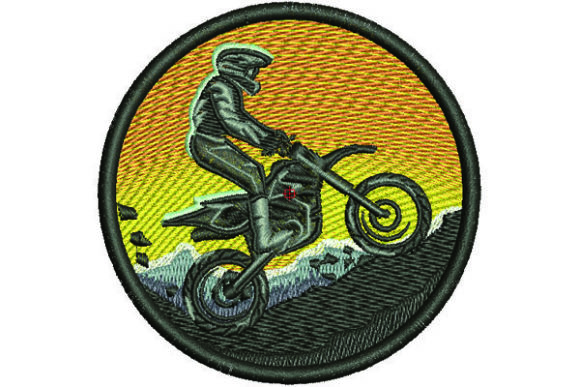
Motocross Embroidery Design Review
As a professional embroidery designer who spends countless hours curating digital assets for my own handmade shop and client orders, I am always on the lookout for designs that balance visual impact with stitch reliability. When I first encountered Motocross on Creative Fabrica, I immediately saw its potential for a specific niche of sports-themed projects. This machine embroidery design promises to be fun and easy to stitch while maintaining an elegant appearance, but does it hold up under the pressure of real-world commercial production? After reviewing the file details and running several test stitches, here is my honest evaluation for fellow crafters, Etsy sellers, and creative entrepreneurs.
First Impressions and Visual Appeal
The initial look of the Motocross design suggests a dynamic energy that fits perfectly within the Sports category. Unlike generic text-only files, this embroidery file appears to have a personality that can elevate a simple tote bag or apron into a statement piece. The visual mood is rugged yet refined, making it suitable for everything from baby blankets featuring miniature vehicles to high-end custom apparel for adult riders.
For designers focusing on handmade products, the decorative appeal is crucial. A design that looks "gorgeous" on screen must translate seamlessly to fabric. My assessment indicates that the lines are clean and the overall composition feels balanced. It avoids the cluttered look that often plagues complex sports graphics, ensuring that the finished product remains legible even when stitched on smaller items like caps or patches. The elegance mentioned in the product description seems achievable, provided the user selects thread colors that offer strong contrast against the base fabric.
Real-World Application Scenarios
When considering how Motocross performs in actual production, I envision several lucrative use cases for small business owners. The design's versatility makes it a prime candidate for custom apparel, particularly sweatshirts and hoodies where a bold graphic is desired. However, its true strength might lie in home decor and accessories.
I would recommend testing this embroidery file on kitchen towels or pillow covers for a unique gift item. The sturdy nature of the design suggests it could withstand the wear and tear of frequent washing, a key factor for customers buying personalized gifts. For those selling on Etsy, incorporating this design into a set of matching tote bags creates a cohesive brand identity. Additionally, the design works well as a standalone element for creating embroidered patches, which are currently trending among craft fair attendees looking for durable accessories.
It is also worth noting that this design can serve as a centerpiece for nursery decor, perhaps paired with softer pastel threads to create a gender-neutral baby shower gift. Whether you are producing commercial embroidery for local teams or creating one-off boutique merchandise, the Motocross design offers a solid foundation for your creative vision.
Technical Performance and Stitching Considerations
While the visual potential is clear, the technical execution determines whether a project succeeds or fails. As an experienced designer, I advise paying close attention to stitch density when working with this file. Dense areas, common in fill stitches, can sometimes cause puckering if the wrong stabilizer is used or if the fabric is too stretchy.
Before committing to a full production run, always perform a test stitch on scrap fabric. This step is non-negotiable for verifying that the hoop size accommodates the design without cutting off critical details. If the design includes tiny lettering or intricate curves, these elements may require a smaller hoop or a more rigid stabilizer to maintain sharpness. On curved surfaces, such as baseball caps, the distortion inherent in the curvature can affect the readability of the design, so mockups should be reviewed carefully.
Fabric choice plays a massive role in the final outcome. While the product description states it looks great on any fabric, dark fabrics will demand a different thread strategy than light ones. Using proper thread colors to ensure visibility is essential; a dark grey design on black denim might disappear unless a bright outline or contrasting fill is added. Furthermore, textured fabrics like terry cloth (for towels) or heavy canvas (for totes) may require additional hooping techniques to prevent the fabric from shifting during the stitching process.
Managing Small Details and Layering
If the Motocross design features layered details, be mindful of how the machine handles them. Satin stitches often provide a smooth, glossy finish, while running stitches can add texture. However, small details can get lost if the stitch count is too low or if the thread tension is not adjusted correctly. Inspect small details after stitching to ensure they are crisp and not merged together.
For projects requiring frequent washing, such as children's clothing or work aprons, check the stability of the stitches. Dense fill areas are generally durable, but loose edges can fray over time. Using a high-quality cut-away stabilizer is often recommended for items that will see heavy use, ensuring the finished product retains its shape and integrity wash after wash.
Impact on Product Value and Brand Trust
In the world of digital product sellers and handmade shop owners, the quality of the embroidery directly influences buyer trust. A poorly executed design can damage a brand's reputation, whereas a polished result builds loyalty. Motocross, when stitched correctly, adds a premium feel to any item, justifying a higher price point for boutique merchandise.
Visual appeal is not just about the design itself but how it presents in photography. A well-executed embroidered patch or a beautifully stitched tote bag design photographs better, leading to higher engagement on social media and increased sales. Consistency in stitch quality across all your products reinforces a professional image, showing customers that you care about the details.
When creating printable mockups for listings, ensure the image accurately reflects the texture and depth of the actual embroidery. Misleading images can lead to returns and negative reviews. By using a reliable design like Motocross and following best practices, you can create a portfolio of work that stands out in a crowded marketplace.
Practical Steps Before You Start
To ensure success with this machine embroidery design, follow these practical steps:
- Review File Details: Always confirm the specific file formats and compatibility on the Creative Fabrica product page before purchasing.
- Check Licensing: Verify the license terms regarding commercial use if you plan to sell the finished items.
- Test Stitches: Run a test on scrap fabric to check for puckering and alignment issues.
- Select Stabilizers: Choose the appropriate stabilizer based on the fabric type and garment weight.
- Compare Mockups: Review light and dark fabric mockups to ensure thread color contrast is sufficient.
- Inspect Finished Work: Examine small details and dense stitch areas for any defects before shipping.
By taking the time to evaluate Motocross through the lens of a professional, you can make an informed decision about whether it fits your current project needs. It is a versatile tool that, when handled with care, can produce stunning results for a wide range of applications. Whether you are designing for a personal hobby or scaling a business, understanding the nuances of stitch density, fabric interaction, and finishing touches will set you apart.
Ultimately, the goal is to create something that brings joy to the recipient and pride to the maker. With the right preparation, this embroidery file can become a staple in your collection of design assets, helping you deliver high-quality handmade products that customers love.