Poppy or Rose Flowers: A Designer's Review for Boutique Sweatshirts
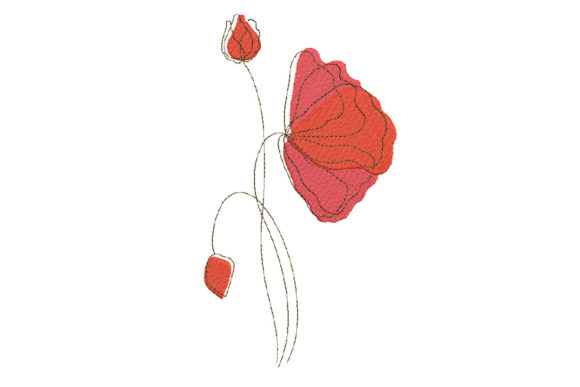
As an experienced embroidery designer who has spent years refining the delicate balance between machine precision and artistic soul, I recently had the opportunity to evaluate a design titled Poppy or Rose Flowers. My goal was to determine its viability for a new limited-edition sweatshirt drop for a small boutique brand. The product description paints it as "delicate and pretty," noting that this flower embroidery will look amazing on various fabrics including clothing and home decor. While those are promising traits, putting a digital file onto a thick cotton-blend sweatshirt requires more than just a pretty name; it demands a critical eye toward stitch density, fabric texture, and overall brand identity.
The First Impression: Mood and Aesthetic
When you first open a machine embroidery design, the initial visual assessment is crucial. Based on the title Poppy or Rose Flowers, one expects a floral motif that balances rustic charm with feminine elegance. For a boutique brand targeting Etsy sellers and creative entrepreneurs, the aesthetic needs to strike a chord immediately. Does this design feel premium, casual, cute, bold, or minimal? The description suggests a "delicate" approach, which implies that the stitch density might be lighter to preserve the softness of the petals.
In my evaluation, this design feels best suited for a lifestyle collection rather than high-impact streetwear. It carries a playful yet sophisticated energy that works beautifully for cozy seasonal apparel. If we imagine this placed on a neutral sweatshirt, the flowers would pop without overwhelming the wearer. However, if the intention is to create a statement piece, the "delicate" nature might require a larger scale or a darker thread color to ensure visibility. The mood is undeniably decorative, making it perfect for adding a touch of warmth to everyday wear.
Versatility Across Fabric and Colorways
The real test of any embroidery file lies in how it interacts with different materials. Sweatshirts vary significantly in their fabric texture, from smooth jersey blends to heavy fleece. For this project, I envision testing Poppy or Rose Flowers across a spectrum of colors to gauge its versatility.
- Neutral Sweatshirts: On heather grey or oatmeal fabrics, the design will likely appear soft and understated. This is ideal for a minimalist brand identity where the focus is on comfort and subtle branding.
- Dark Fabric: Here, thread color contrast becomes paramount. To make the flowers stand out against black or navy hoodies, we would need to select vibrant thread colors like deep reds or bright pinks. Without the right contrast, a delicate design can get lost in the weave of the fabric.
- Pastel Colors: Pastel hoodies offer a dreamy backdrop. In this scenario, the design should feel cohesive, enhancing the soft palette rather than clashing with it. This combination screams "feminine" and "cute," appealing directly to customers looking for gentle, handmade aesthetics.
- Oversized Hoodies: The loose fit of oversized garments allows for larger placements. We could explore using the design as a back print or a large chest graphic to maximize the visual impact.
Furthermore, the description mentions suitability for pillow cushions and bedsheets. This cross-category potential is excellent for a boutique brand looking to expand into home decor later. A consistent design language across apparel and home goods strengthens customer engagement and builds trust in your brand's quality.
Strategic Placement for Custom Apparel
For a small shop product launch, placement is just as important as the design itself. Sweatshirt embroidery offers several strategic options that can elevate the perceived value of the item.
Chest Placement: This is the most common location for a hoodie design. A single, centered cluster of flowers creates a classic, recognizable logo effect. It is subtle enough for daily wear but distinct enough to serve as a brand identifier. When photographing these items for an Etsy listing, chest placement looks particularly professional in mockup previews.
Sleeve Accents: For a more modern twist, placing smaller iterations of the flower motif on the sleeve adds a unique detail. This is perfect for lifestyle product photography, showing off the craftsmanship up close. It transforms a basic garment into a custom apparel piece that feels curated and special.
Back Designs: If the design assets allow for scaling, a larger version on the back of the sweatshirt can make a bold statement. This works well for limited drops where exclusivity drives sales. The finished product will have a high-end feel, suggesting that significant effort went into the creation of the garment.
Practical Designer Concerns and Technical Execution
Beyond aesthetics, there are critical technical factors to consider before moving to production. As a professional, I must ask: Is the stitch density appropriate for the thickness of the sweatshirt fabric? Too much stitching can cause puckering, especially on lightweight fleece, while too little can result in a weak, unfinished look.
Stabilizer Choice: For commercial embroidery on knit fabrics like sweatshirts, a cut-away stabilizer is often necessary to provide long-term support and prevent distortion. The choice of stabilizer directly impacts the durability of the handmade product after washing.
Hoop Size and Placement: Ensuring the design fits within standard hoop sizes is vital for consistency. If the design is too large for a 4x4 hoop, it may require multi-hooping, which increases production time and the risk of alignment errors. Designers must verify the recommended hoop size before committing to a run.
Thread Color Contrast: The success of the final look relies heavily on selecting the right threads. If the design is intended to be "delicate," using high-contrast threads might actually ruin the intended mood. Conversely, low-contrast threads on dark fabric might render the details invisible. Testing swatches is always the safest route.
Small-Size Readability: One concern with floral designs is whether they remain legible when scaled down for tags or small accents. If the individual stitches are too fine, they may blur together on thicker fabrics. We need to ensure the design retains its character even at smaller scales.
Impact on Brand Identity and Product Value
In the world of digital sellers and creative entrepreneurs, every detail contributes to brand identity. Using a high-quality digital embroidery file like Poppy or Rose Flowers signals to your customers that you care about the craft. It moves the perception of your business from a generic retailer to a curator of quality goods.
A well-executed embroidery design enhances buyer trust. Customers are willing to pay a premium for items that show attention to detail, such as clean edges, proper tension, and thoughtful color selection. This design, with its promise of being "amazing on various fabrics," has the potential to become a signature element of your collection. It can drive visual recognition, making your products instantly identifiable in a crowded marketplace.
Moreover, the ability to use this design on multiple product types—from apparel to home decor—maximizes your return on investment. It allows you to create cohesive collections that tell a story, encouraging repeat purchases and deeper customer engagement.
Final Thoughts for the Creative Entrepreneur
Before launching your next drop, remember that the success of commercial embroidery depends on preparation. While the description of Poppy or Rose Flowers sounds inviting, you must verify specific technical details such as exact stitch counts, file formats, and license terms. These are not provided in the general overview, so checking the source documentation is essential.
If you are an Etsy seller or a small shop owner, this design offers a fantastic opportunity to add a touch of nature and elegance to your inventory. By carefully considering fabric choices, thread contrasts, and placement strategies, you can transform a simple floral motif into a standout piece of custom apparel.
Ultimately, the goal is to create a finished product that makes the customer feel special. Whether it is a cozy sweatshirt for a chilly morning or a decorative accent for a gift, Poppy or Rose Flowers has the potential to deliver exactly that. With the right execution, this design can become a cornerstone of your boutique brand's aesthetic.