Red Poppy Review: A Craft Fair Winner
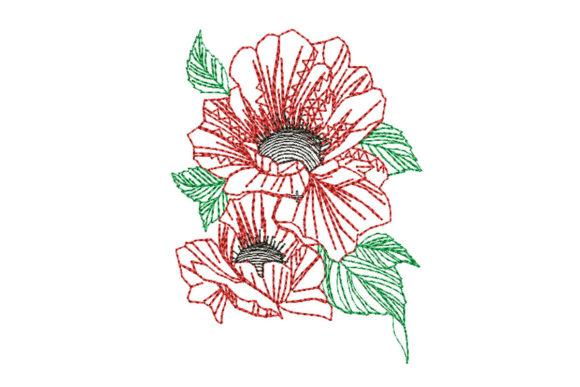
I recently received a new machine embroidery design titled Red Poppy, and I immediately started thinking about how it would perform on my booth table this weekend. As an experienced designer who has sold hundreds of handmade items, I know that the difference between a product that sits on a shelf and one that flies off the table often comes down to the specific details of the digitization. This piece falls under the Outline Flowers category, which is a staple in the world of embroidery, but does it have the punch needed for a busy craft fair?
My first impression of the Red Poppy file is one of bold elegance. The description mentions it is suitable for dresses, blouses, and outerwear like raincoats and jackets. However, when I look at it through the lens of a craft fair product or a small shop product, I see something much more versatile. The outline style suggests a modern, slightly rustic charm that fits perfectly with current trends in farmhouse and boutique aesthetics. It feels premium without being overly ornate, making it an ideal candidate for a variety of handmade product lines.
Where Red Poppy Shines on the Booth Table
Imagine setting up your display with a mix of functional goods. When I tested the visual weight of the Red Poppy against different items, certain pairings stood out immediately as high-sellers. For starters, a tote bag design featuring this poppy is a guaranteed crowd-pleaser. The red hue pops beautifully against canvas backgrounds, creating a striking focal point that catches the eye from across the aisle. Customers love bags they can use daily, and this design elevates a standard tote into a statement accessory.
Moving to the kitchen section, apron embroidery and tea towel embroidery are natural homes for this flower. The outline style allows the fabric texture to show through, adding depth to the finished product. On a white or cream tea towel, the red threads create a vibrant contrast that photographs exceptionally well for online listings. Similarly, placing the design on a small pouch or a pillow cover adds a touch of warmth to home decor items. These are the types of giftable handmade items that customers grab while browsing, especially when the design looks crisp and professional.
I also envision this design working wonders on caps and embroidered patches. A cap with a centered Red Poppy offers a classic, clean look that appeals to a wide demographic. If you are producing commercial embroidery items, the outline nature of the flower means it can be easily scaled down for a chest logo or scaled up for a large back patch. This flexibility is crucial for any Etsy seller looking to diversify their inventory without needing to buy entirely new files.
Visual Appeal and Customer Attention
In a crowded market, the finished product must speak for itself before a customer even touches it. The Red Poppy excels here because the outline technique creates a sense of lightness. Unlike dense satin stitches that can sometimes look heavy or dated, this design feels airy and contemporary. It draws the eye due to the color contrast rather than just the bulk of the thread. This makes it perfect for a printable mockup as well; the clean lines translate well to digital images, ensuring your Etsy listings look as good as the real thing.
For brand consistency, this design is a safe bet. It fits seamlessly into collections that feature botanical themes, seasonal flowers, or simple, elegant motifs. Whether you are selling to a boutique maker or a creative entrepreneur, the Red Poppy adds a layer of sophistication. It signals that the item was made with care and attention to detail, which increases the perceived value of the handmade product. Buyers are willing to pay more for items that look polished, and a well-executed outline design is key to achieving that look.
Practical Production and Selling Points
When planning a batch production run, efficiency matters. The Red Poppy appears to be highly repeatable. Because it relies on outlines rather than complex fill patterns, it should stitch quickly and reliably. This is essential for meeting deadlines during peak seasons like holidays or summer festivals. The design works equally well as a small accent on a pocket or a larger focal design on the center of a garment. This adaptability allows you to create a cohesive collection where the same embroidery file is used across multiple price points and product types.
Photography is another critical factor. The clean lines of the outline flower tend to photograph sharply, avoiding the blurring issues that can occur with very dense stitching. This ensures that your digital embroidery file promotions and social media posts accurately represent the quality of the work. Customers appreciate transparency, and seeing a clear image of the stitch work builds trust in your small shop product line.
Careful Use Notes for Designers
However, no design is without its challenges. Before rushing into full-scale production, there are practical considerations to keep in mind regarding stitch density and fabric texture. While the outline style is generally forgiving, tiny details in the petals or stem could lose clarity if the design is digitized too small. If you plan to place this on a curved surface like a cap, ensure the hoop size and placement allow for enough stability so the curve doesn't distort the flower shape.
Dark fabrics require careful thread selection. The red poppy will stand out vividly on black or navy, but on dark denim or charcoal gray, you might need to adjust the underlay or thread colors to prevent the design from getting lost. Additionally, textured towels or thick fabrics like heavy wool coats may hide the fine lines of the outline. In these cases, testing on scrap fabric is non-negotiable. You must confirm that the stabilizer choice supports the fabric adequately to prevent puckering, which can ruin the delicate look of the poppy.
Designer's Checklist for Success
To ensure the Red Poppy delivers the best results for your business, follow these steps before listing your items. First, always test the design on scrap fabric using the exact materials you plan to sell. Check the thread colors to ensure the red vibrates against your chosen background. Review the spacing to make sure the design fits comfortably within your intended hoop size without cutting off parts of the flower.
Inspect the stitch density closely. If the areas are too dense, the fabric may pucker; if too sparse, the design may look weak. Create at least one real mockup of your final product, such as a completed apron or tote bag, to assess the overall aesthetic. Compare different fabric colors to find the most appealing combination. Finally, confirm the commercial licensing terms of the embroidery file before selling finished products commercially. Ensuring you have the right permissions protects your business and allows you to focus on creativity.
The Red Poppy is more than just a floral motif; it is a strategic asset for any creative entrepreneur. With its blend of modern style and traditional charm, it offers a unique opportunity to expand your product range. Whether you are crafting for a local market or scaling up for an online store, this design provides the versatility needed to succeed. By paying attention to the details of production and presentation, you can turn this simple outline flower into a signature element of your brand.
Ultimately, the success of a craft fair product lies in the connection between the maker and the buyer. The Red Poppy design facilitates that connection by offering a visually appealing, high-quality addition to any collection. It invites customers to imagine the item in their own lives, whether as a gift, a personal treat, or a stylish upgrade to their wardrobe. With careful execution, this design is poised to become a favorite among those who appreciate the art of embroidery.