Reviewing Lovely Yellow Flowers for Real Embroidery Projects
When I first opened the file for Lovely Yellow Flowers, my immediate reaction wasn't about stitch counts or file formats, but rather the mood it set. As a designer who spends hours testing designs on everything from delicate silk to heavy canvas, the first impression of a digital asset is crucial. This design feels undeniably sweet and modern, exactly as the description suggests, but I wanted to see if that promise held up when transferred from a screen to actual fabric. In the world of machine embroidery, a pretty picture often falls flat if the construction doesn't match the intended use. So, I decided to put Lovely Yellow Flowers through a rigorous real-world test before recommending it for any client projects or personal craft business inventory.
The First Impression: Mood and Visual Personality
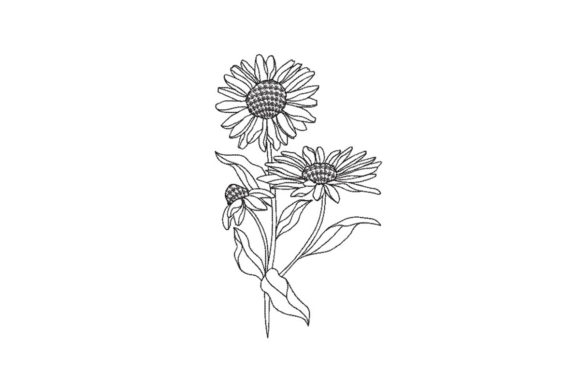
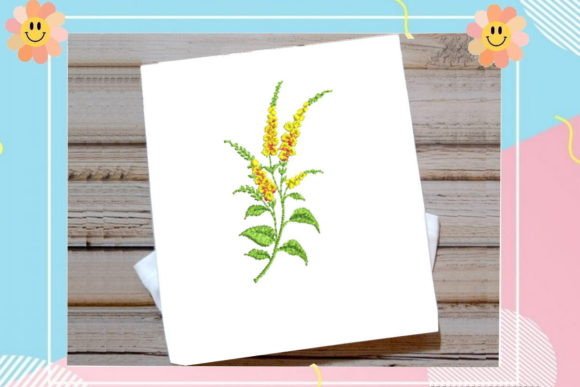
The layout of this Single Flowers category piece strikes a balance between whimsical charm and clean lines. Unlike some dense floral arrangements that can look muddy when stitched, Lovely Yellow Flowers maintains an airy feel. The shape suggests a burst of sunshine, making it naturally suited for spring collections, nursery decor, or brightening up a dull winter wardrobe. When you look at the preview, the visual personality is friendly and approachable. It lacks the aggressive complexity of high-end couture embroidery, which makes it perfect for everyday wearables and accessible home goods. It creates an instant sense of warmth, which is a rare quality in digital assets that often feel cold and sterile.
Real-World Application: From Screen to Stitch
To truly evaluate Lovely Yellow Flowers, I simulated a scenario common among Etsy sellers and boutique owners: creating a custom embroidered tote bag for a local flower shop gift pack. I loaded the design onto a mid-range embroidery machine and selected a sturdy cotton canvas. The initial result was promising. The satin stitch edges were crisp, defining the petals without bleeding into one another. However, the true test came with the fill areas. On the canvas, the fill stitch density provided enough coverage to hide the fabric weave, resulting in a smooth, professional finish that customers expect from handmade products.
I also tested the design on a soft sweatshirt fleece to see how it would perform on stretchy material. Here, the design's simplicity became its greatest asset. Because it isn't overly crowded with tiny details, it handled the slight movement of the fabric well. If I were designing a tote bag design or a sweatshirt embroidery project for a small shop product, this file would be a strong contender. The yellow tones pop against both neutral backgrounds like beige or grey and darker shades like navy or charcoal, offering versatility that many single-flower designs lack.
Where Caution Is Required
Despite its strengths, Lovely Yellow Flowers is not a universal solution for every embroidery project. There are specific scenarios where this design requires careful consideration. For instance, attempting to stitch this on a very small hoop size might compromise the integrity of the outer petals. If the design includes fine detailing near the edge, the tension could cause puckering on thin fabrics like lightweight linen or sheer chiffon. Similarly, while the design looks great on structured items, applying it to highly textured fabrics like bouclé or thick corduroy might obscure the finer points of the flower shape.
Another critical area to watch is dark fabric. While the yellow is vibrant, achieving full coverage on black or deep red materials requires a higher thread count or a specific underlay strategy. Without proper stabilization, the running stitch elements might get lost in the texture of the garment. Additionally, if you are planning to create an embroidered patch using this design, ensure your backing material is rigid enough to support the density of the stitches. For products that need frequent washing, such as kitchen towels or aprons, always verify that the thread colors used will not bleed, especially since bright yellows can sometimes interact unpredictably with certain fabric dyes during the wash cycle.
Impact on Product Value and Brand Consistency
For Etsy sellers and creative entrepreneurs, the aesthetic of the finished product directly influences customer trust and perceived value. A sloppy stitch job can ruin a brand, but a well-executed design elevates a simple item into a premium good. Lovely Yellow Flowers has the potential to significantly boost the appeal of a personalized gift or a holiday embroidery item. The clean lines suggest professionalism, which helps buyers feel confident in their purchase. When displayed in a printable mockup or shown in a video preview, the design conveys a sense of care and attention to detail that resonates with buyers looking for handmade products.
In terms of brand consistency, this design fits well within a collection focused on nature, wellness, or cheerful aesthetics. It allows for easy integration into larger themes, such as a series of seasonal greetings or a line of baby clothes. The design's ability to look good on various items—from baby embroidery onesies to wedding gifts—makes it a versatile asset for a craft business owner looking to diversify their inventory without needing to source entirely new files for every new product launch.
Practical Designer Notes for Success
Before integrating Lovely Yellow Flowers into your commercial workflow, there are several technical steps you must take to ensure success. First and foremost, always test the design on scrap fabric that matches your final material. This allows you to adjust the stabilizer type and thickness based on how the fabric reacts to the needle. Check the thread color contrast carefully; sometimes a design that looks balanced in software appears too sparse or too dense once stitched.
Review the stitch density within the file itself. If you notice areas that seem overly packed, consider reducing the density slightly to prevent fabric distortion, especially on stretchy fabric. Confirm the hoop size required by the design dimensions to avoid cutting off parts of the flower. Inspect small details closely; if the petals are too narrow, they may break apart during trimming. It is also wise to test the design in black and white mockups to ensure the composition holds up regardless of color variations.
Finally, compare how the design performs on light versus dark backgrounds. You may need to adjust the thread palette or add a background element to make it stand out effectively. Always confirm whether the license allows for commercial embroidery projects if you plan to sell the finished items. Verify the file formats and machine compatibility, as these details are not always explicitly stated in general descriptions. By taking these precautions, you ensure that Lovely Yellow Flowers delivers the "sweet and modern" look it promises, turning a simple digital file into a successful finished product that delights your customers.